Featured
Comparing Interest Rates After Debt Settlement and Insolv...
Effective Household Budgeting for the 2026 Fiscal Year

Protecting Your Home and Properties From Predatory Practices
Table of Contents
Navigating Credit Discrepancies in 2026
The financial environment in 2026 has ended up being significantly complex as automatic reporting systems and AI-driven data collection dominate the credit industry. While these technologies goal for speed, they regularly result in clerical errors, identity mix-ups, or out-of-date information appearing on customer files. For locals in the local community, comprehending how to challenge these inaccuracies is no longer simply a recommendation-- it is a necessity for preserving monetary health. Modern customer laws have tightened up the requirements for credit bureaus, however the concern of initiating a dispute still rests strongly on the individual.
Accuracy in credit reporting impacts everything from mortgage rates to insurance premiums and even employment opportunities. Keeping high requirements for Debt Relief enables customers to capture mistakes before they impact loan approvals. When an error is determined, the action should be methodical. Under the current 2026 legal requirements, credit bureaus are required to examine and solve conflicts within a particular 30-day window, offered the customer submits sufficient proof to support their claim.
The Rights of Consumers Under 2026 Laws
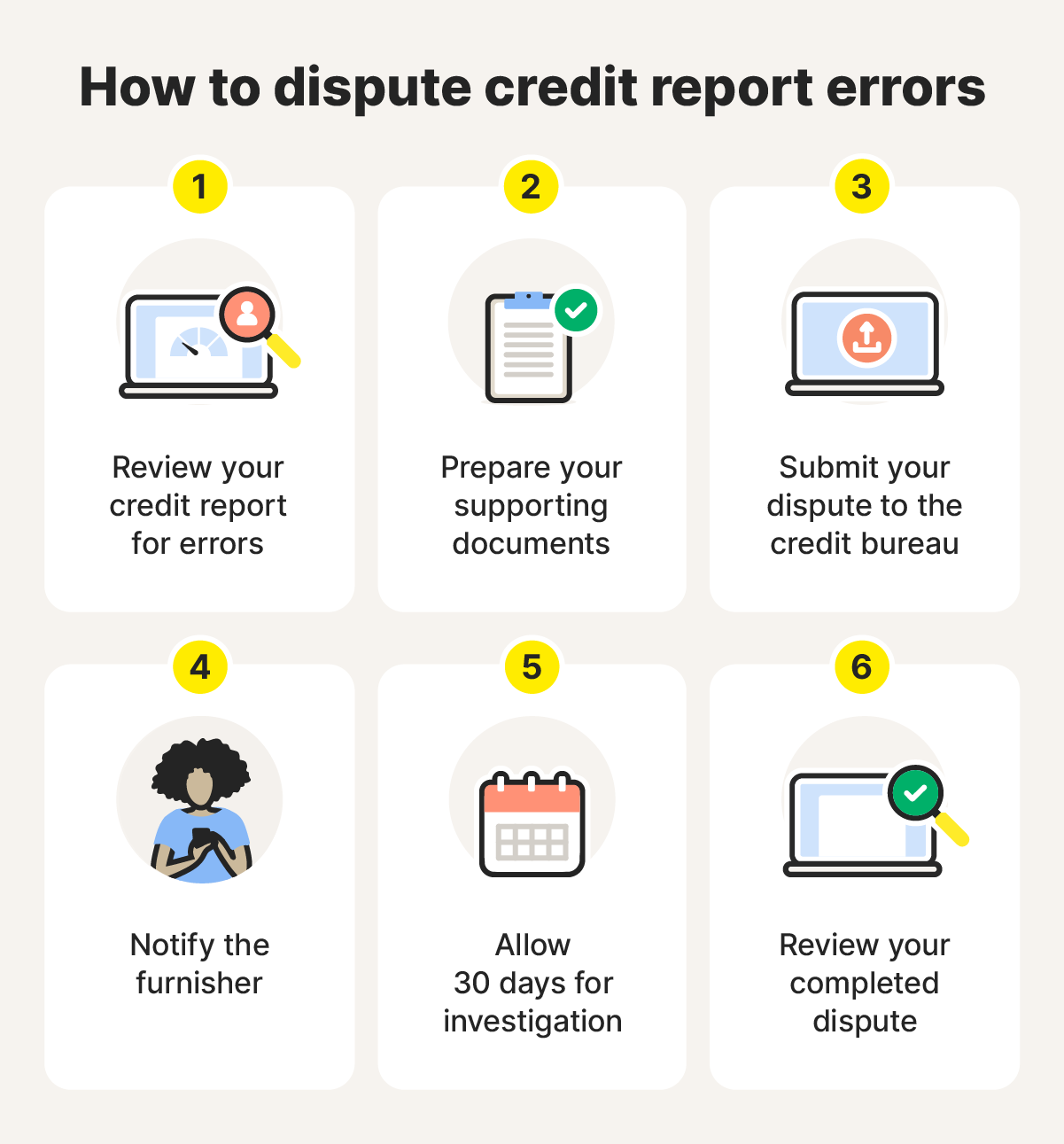
Federal guidelines continue to secure individuals versus the reporting of unjust or inaccurate data. Everyone in the surrounding region deserves to access their credit report totally free on a routine basis to make sure that the information held by the major bureaus is proper. These reports work as the structure for an individual's monetary track record. If a report consists of a debt that has actually already been paid, an account that does not belong to the person, or an inaccurate payment history, the law offers a clear path for remediation.
Many individuals look for help from Department of Justice-approved 501(c)(3) nonprofit credit counseling firms. These organizations provide a buffer between the customer and the big banks. Effective Debt Relief Programs serves as a key resource for those dealing with complex reporting errors. These nonprofits often use totally free credit therapy, assisting individuals comprehend which items on their report are actually errors and which are legitimate debts that require a different method, such as a financial obligation management program.
In 2026, the procedure of challenging an item includes more than just sending out a letter. It needs a digital or physical proof. This includes copies of bank statements, canceled checks, or court records that show the information on the credit report is incorrect. When a dispute is filed, the bureau needs to get in touch with the initial creditor to verify the data. If the lender can not show the financial obligation is precise within the legal timeframe, the bureau needs to remove the item from the customer's file instantly.
Techniques for Effective Credit Keeping Track Of in the United States
Constant tracking is the most reliable method to prevent long-lasting damage from reporting errors. Waiting up until a loan application is denied is the worst time to find a mistake. Instead, consumers need to use the numerous tools readily available in 2026 to track modifications to their ratings and report histories in genuine time. Discovering trusted information concerning Debt Relief in California helps people browse the administration of nationwide credit bureaus.
An extensive review should search for specific warnings:
- Accounts with comparable names or addresses that do not come from the user.
- Public records, such as tax liens or judgments, that have been settled however still reveal as active.
- Incorrect credit limitations that make an individual appear more overextended than they genuinely are.
- Duplicate accounts that synthetically inflate the total financial obligation load.
If these concerns are found, the customer should file disputes with all 3 significant bureaus at the same time, as details shared with one bureau is not constantly automatically updated with the others. This ensures consistency across the board and prevents a single erroneous report from dragging down an otherwise healthy rating.
Nonprofit Help and Financial Obligation Management Programs
For those in the domestic market who are battling with genuine financial obligation in addition to reporting mistakes, specialized programs provide a way forward. Nationwide not-for-profit agencies provide debt management programs that consolidate multiple monthly payments into one lower, manageable payment. These companies negotiate directly with creditors to minimize rates of interest, making it simpler for the consumer to settle the principal balance. This procedure frequently helps improve a credit history over time as the debt-to-income ratio enhances and a history of constant payments is established.
Beyond financial obligation management, these 501(c)(3) companies supply HUD-approved housing therapy. This is especially beneficial for homeowners in the local area who are wanting to purchase a home but find their credit report stands in the method. Therapists work with individuals to create a plan that deals with both credit errors and genuine financial difficulties, guaranteeing they are prepared for the home mortgage application process. These services are typically provided at no charge or for a very low charge, showing the objective of these companies to support neighborhood financial literacy.
Legal Protections and Personal Bankruptcy Education
In more severe cases, customers may require to check out pre-bankruptcy therapy or pre-discharge debtor education. These are obligatory actions in the legal procedure, and they need to be finished through a DOJ-approved provider. These academic courses are designed to offer individuals the tools they require to avoid future monetary distress and to handle their credit more efficiently after a legal discharge of debt.
Whether dealing with a simple reporting mistake or a complex financial crisis, the rules of 2026 emphasize transparency. Creditors and bureaus are held to high standards of data integrity. When those standards are not satisfied, the consumer has the power to demand a correction. Dealing with a network of independent affiliates and neighborhood groups ensures that even those in underserved areas have access to the exact same level of financial protection and education as those in major financial centers.
The secret to success in any dispute is determination. It is typical for bureaus to at first reject a disagreement, declaring the details was confirmed. In such cases, the consumer should ask for a description of the verification process or supply extra, more specific proof. Keeping a comprehensive log of all interactions with credit bureaus and financial institutions is a necessary part of this effort. With the ideal documentation and a clear understanding of 2026 customer rights, fixing the record is a workable job that pays dividends in future financial stability.

Latest Posts

How to Establish a Creditor-Proof Emergency Fund
Comparing Personal and Nonprofit Therapy in Your State

Comparing Interest Rates After Debt Settlement and Insolvency